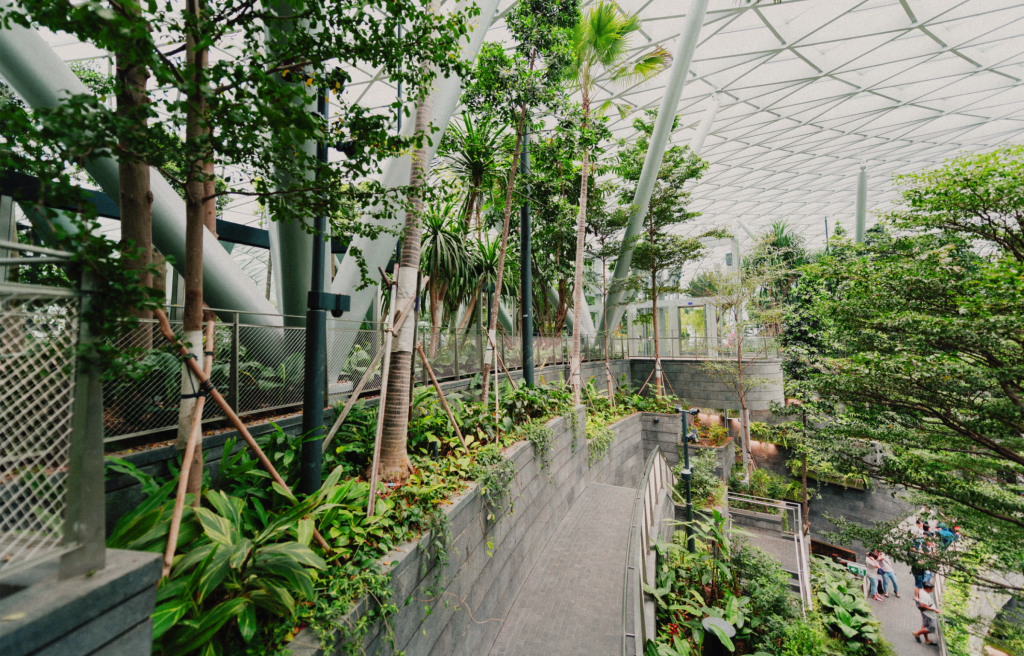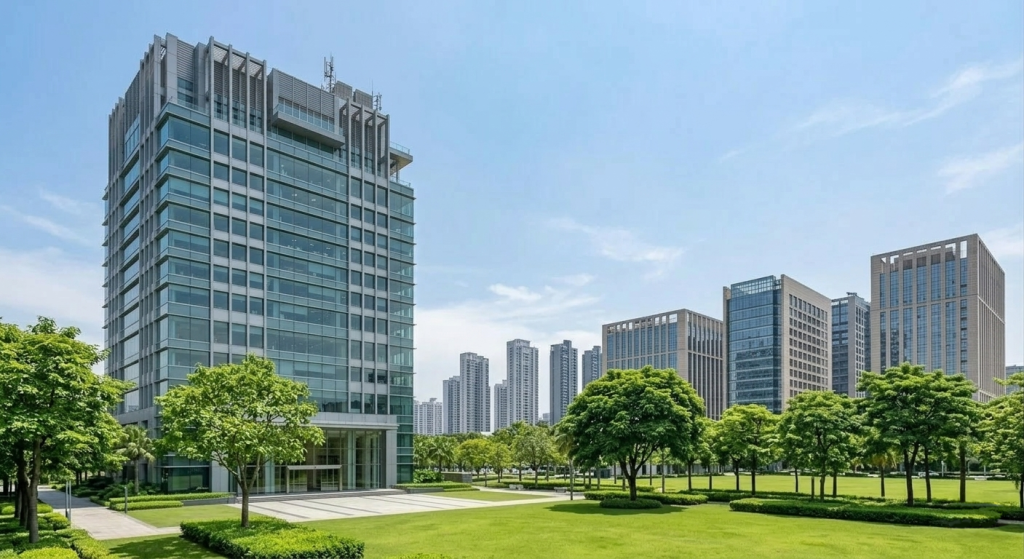
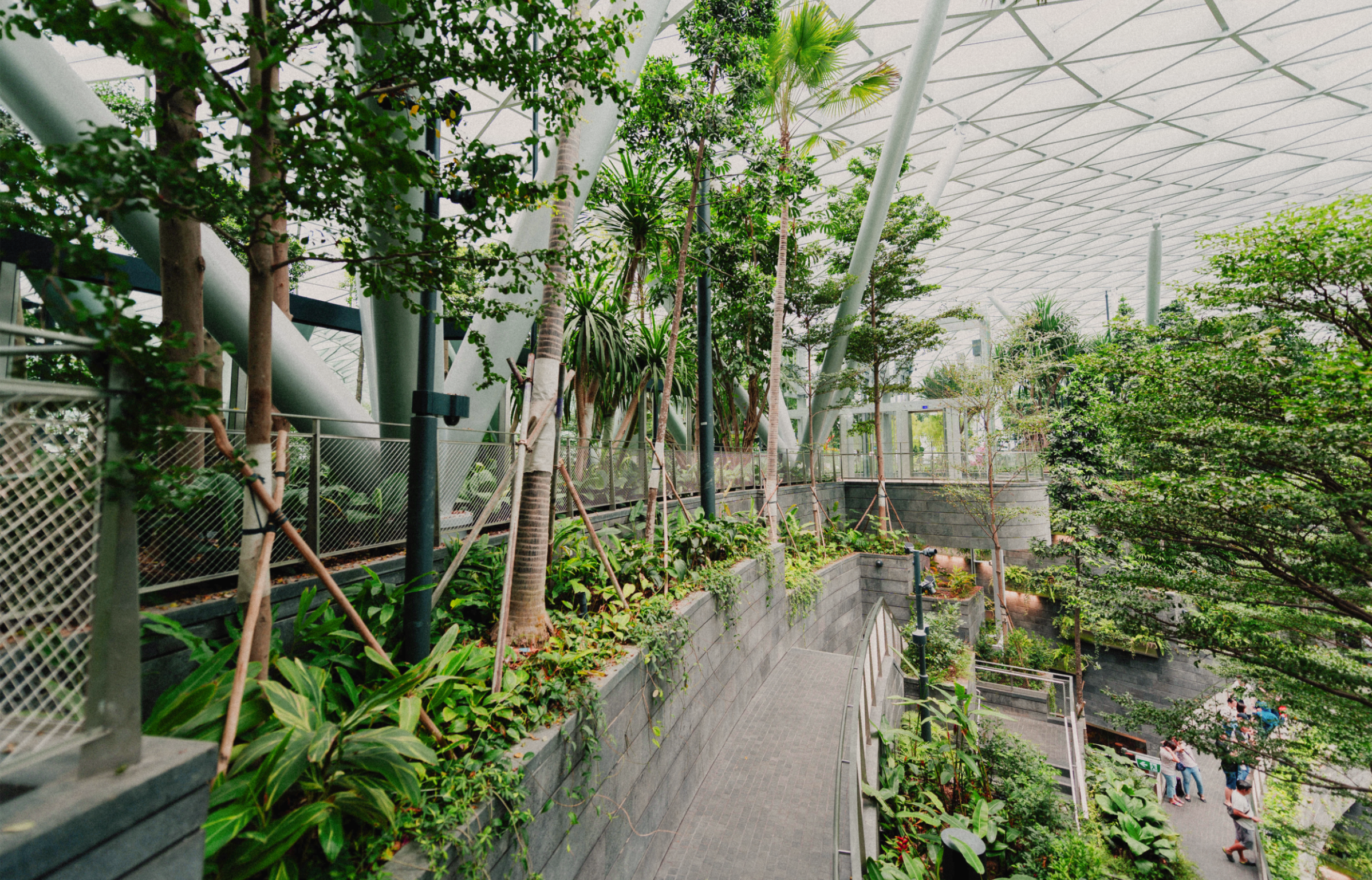
Sustainability has become a major priority for commercial buildings as organisations look for practical ways to reduce environmental impact while improving operational efficiency. While energy efficiency and waste reduction are often prioritised, landscaping is another important component of sustainable building management.
Well-planned landscapes can improve environmental performance, support biodiversity and create healthier outdoor environments for tenants and visitors. Many commercial properties today implement these strategies through professional commercial landscaping services that help maintain green spaces while supporting long-term environmental goals.
For commercial properties, sustainable landscaping is not only an environmental initiative but also a practical approach to maintaining efficient, resilient and attractive outdoor spaces. In many developments, landscaping is planned together with broader sustainability services for commercial properties to improve resource efficiency and environmental performance.
Why Sustainability Matters in Commercial Landscaping
Commercial landscapes occupy significant areas around office buildings, business parks and industrial facilities. The way these landscapes are designed and maintained can influence water consumption, biodiversity and overall environmental quality.
Sustainable landscaping focuses on creating green spaces that work with natural environmental conditions rather than relying on resource-intensive maintenance. Many property owners implement structured landscape maintenance services to ensure outdoor environments remain healthy while reducing long-term resource consumption.
Key objectives of sustainable commercial landscaping include:
- Reducing water consumption
- Supporting plant health through natural methods
- Enhancing biodiversity in urban environments
- Lowering long-term maintenance requirements
When implemented properly, sustainable landscapes contribute to both environmental performance and operational efficiency.
Key Sustainable Landscaping Practices
Several landscaping strategies help commercial properties maintain attractive outdoor spaces while reducing environmental impact.
Native Plant Selection
Native or climate-appropriate plants are well adapted to local weather conditions and soil types. These plants typically require less irrigation, lower maintenance and reduced fertiliser use while remaining resilient to pests and diseases.
Using native plants helps create landscapes that remain healthy with fewer resources. These strategies are often included as part of broader ESG and sustainability services for commercial properties.
Efficient Irrigation Systems
Water management is one of the most important aspects of sustainable landscaping. Modern irrigation systems can significantly improve water efficiency through automated watering schedules, soil moisture monitoring and targeted irrigation zones.
Efficient irrigation planning is typically included in professional commercial landscape management services for large commercial properties, helping to reduce unnecessary water consumption while maintaining plant health.
Soil Health Management
Healthy soil forms the foundation of sustainable landscapes. Proper soil management supports strong plant growth and improves water retention, which helps reduce irrigation needs.
Landscape maintenance also generates organic waste such as leaves, branches and plant debris. For this reason, many commercial properties implement proper green waste management services as part of sustainable landscape operations.
Professional landscape teams often monitor soil conditions and implement practices such as soil improvement programmes, organic soil amendments and proper drainage management. Healthy soil also supports beneficial microorganisms that contribute to plant health and ecosystem balance.
Biodiversity in Commercial Landscapes
Sustainable landscaping can also support biodiversity within urban environments. By incorporating diverse plant species, landscapes can create habitats for pollinators, birds and beneficial insects that contribute to healthier ecosystems.
Many organisations incorporate biodiversity planning into their sustainability services for commercial properties to support ESG goals and environmental initiatives while improving the overall landscape environment.
Encouraging biodiversity helps strengthen ecological balance while enhancing the natural beauty of commercial landscapes.
Long-Term Sustainability Benefits
Sustainable landscaping provides several long-term benefits for commercial property owners and building managers.
Reduced Maintenance Costs
Landscapes designed with suitable plants and efficient irrigation systems often require fewer resources to maintain over time. This can reduce water usage, plant replacement costs and ongoing maintenance requirements.
Improved Environmental Performance
Green landscapes contribute to healthier urban environments by improving air quality, reducing heat around buildings and supporting natural ecosystems. These improvements help commercial properties align with sustainability goals and environmental targets.
Stronger ESG Credentials
Environmental, Social and Governance (ESG) considerations are increasingly important for businesses and property investors. Implementing sustainable landscape strategies through professional commercial landscaping services can support ESG reporting and environmental initiatives while maintaining attractive outdoor environments.
Conclusion
Landscaping plays an important role in the sustainability strategy of modern commercial buildings. Through practices such as native plant selection, efficient irrigation systems and soil health management, sustainable landscapes can reduce environmental impact while maintaining attractive outdoor environments.
With proper planning and professional maintenance supported by commercial landscaping services and integrated sustainability services for commercial properties, commercial properties can create green spaces that support environmental responsibility while enhancing the overall appeal of the property.
FAQs
Sustainable landscaping refers to landscape design and maintenance practices that reduce environmental impact while maintaining healthy and attractive green spaces.
It helps reduce water consumption, supports biodiversity and improves the environmental performance of commercial properties.
Yes. When landscapes are designed using suitable plants and efficient irrigation systems, they typically require fewer resources to maintain.
Yes. Sustainable landscapes contribute to environmental responsibility and can support ESG goals for commercial buildings and organisations, especially when implemented as part of structured sustainability programmes. manufacturing facilities, retail operations, logistics companies, and corporate offices.